Skip to content

About Paris

Survivor advocate. Founder of Paris's Law.

Biographies and background for journalists, producers and event organisers.

Short biography · 81 words

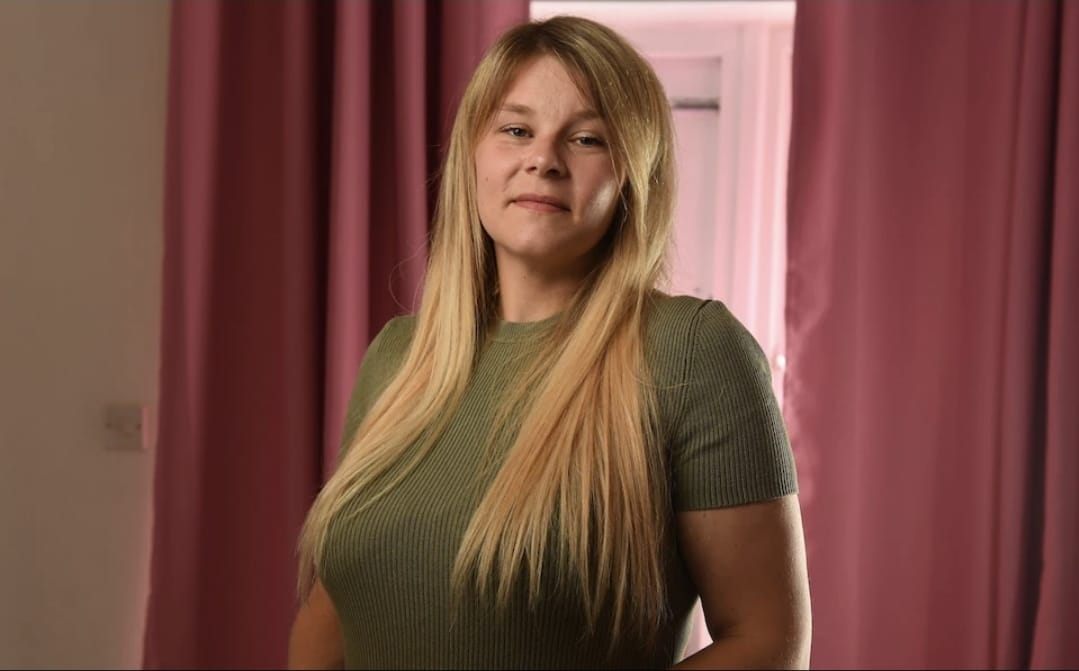
Paris Shears is a UK survivor advocate and the founder of Paris's Law, a campaign seeking reform of how late guilty pleas are treated in coercive control and domestic abuse cases. Her UK Parliament petition attracted more than 107,000 signatures and was debated in Westminster Hall on 19 October 2026. Paris speaks about coercive control, the experiences of survivors navigating the criminal justice system, sentencing reform and meaningful victim protection, and contributes to news coverage and public conversations about justice reform.

Long biography · 246 words

Paris Shears is a UK survivor advocate and the founder of Paris's Law, a campaign seeking reform of how late guilty pleas are treated in coercive control and domestic abuse cases. She speaks publicly, under her own name, about coercive control, the experiences of survivors navigating the criminal justice system, sentencing reform and meaningful victim protection.

Her campaigning grew from her own experience of the justice process. After more than 530 days preparing to give evidence, the trial did not go ahead when the defendant changed his plea on the day it was due to begin. Paris began asking why a plea entered so late could still earn a reduction in sentence, and what that means for survivors who have carried the weight of a trial for many months.

In April 2026 she launched a UK Parliament petition setting out the proposal now known as Paris's Law. It attracted more than 107,000 signatures and was debated by MPs in Westminster Hall on 19 October 2026.

Paris's work has been reported by outlets including BBC News, The Telegraph, LBC, Metro, The Sun and the Daily Echo, and she has taken part in long-form podcast conversations about coercive control and justice. Her focus is practical: helping coercive control to be recognised sooner, making the court process more workable for survivors, and ensuring that protection for victims is meaningful in practice rather than only on paper.

She continues to advocate for reform alongside survivors and supporters across the UK.

Both biographies may be used in full or in part by journalists and producers. Please check facts and figures against the media archive or contact Paris before publication.

Why she campaigns

Change shaped by survivors

Paris campaigns because she believes the justice system should take full account of what survivors are asked to carry — and that their experience should help shape how it works.
“This isn't just about me anymore. It's about recognising a pattern in the system that is affecting so many survivors.”
Paris Shears · Daily Echo, June 2026(opens in a new tab)
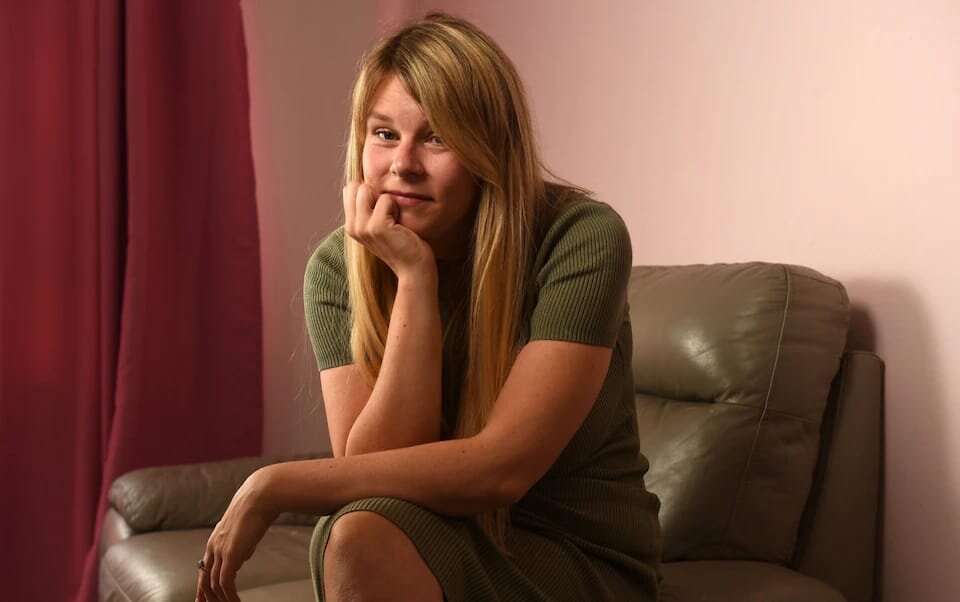
Paris Shears sitting on the arm of a sofa, resting her chin on her hand
Paris Shears
  • 01

    Late pleas have a cost

    Survivors can spend many months preparing to give evidence. Paris believes that, in coercive control cases, a guilty plea entered only at the last moment should not be rewarded with a reduction in sentence.

  • 02

    Coercive control is hard to see

    Control can build gradually and is often difficult to recognise from the inside. Paris wants more people, particularly young people, to be able to name it sooner.

  • 03

    Survivors should shape the system

    Decisions about sentencing and court process affect survivors directly. Paris argues that their experience should inform those decisions.

  • 04

    Protection must be meaningful

    Paris calls for victim protection that works in practice, so that survivors can feel safe throughout and after the justice process.

Campaign timeline

Paris's Law, from petition to Parliament

Key moments in the campaign. Each entry links to its public source.
  1. 21 April 2026

    Petition published

    UK Parliament petition 764553, “Remove sentence reductions for guilty pleas in controlling and coercive cases”, is published and opens for signatures.

    Source(opens in a new tab)
  2. 11 May 2026

    Government responds

    After passing 10,000 signatures, the petition receives a written response from the Ministry of Justice. It says later guilty pleas already receive a substantially lower reduction in sentence.

    Source(opens in a new tab)
  3. 18 May 2026

    100,000 signatures

    The petition passes 100,000 signatures, so the Petitions Committee will consider it for debate in Parliament.

    Source(opens in a new tab)
  4. May 2026

    National coverage

    BBC News, LBC, Metro and The Sun report on the campaign.

    Source(opens in a new tab)
  5. 16 July 2026

    Debate scheduled

    Parliament confirms the petition will be debated on 19 October 2026.

    Source(opens in a new tab)
  6. August 2026

    Survivors' march

    Survivors and supporters march in support of Paris's Law and justice reform, marking the launch of the National Survivors Justice Coalition.

    Source(opens in a new tab)
  7. 19 October 2026

    Debated in Westminster Hall

    MPs debate e-petition 764553. Responding for the Government, the minister says it is not currently persuaded to remove guilty plea reductions for this offence, and sets out wider support for victims. The debate does not change the law.

    Source(opens in a new tab)
  8. 21 October 2026

    Petition closes

    The petition closes with 107,159 signatures. Paris continues to advocate for reform.

    Source(opens in a new tab)

For press and producers

Covering Paris's work?

Browse past coverage or get in touch about interviews, features and events. Campaign news lives on the separate official Paris's Law website.